ABOUT THE GAME
Bubble Pop Shooter game overview
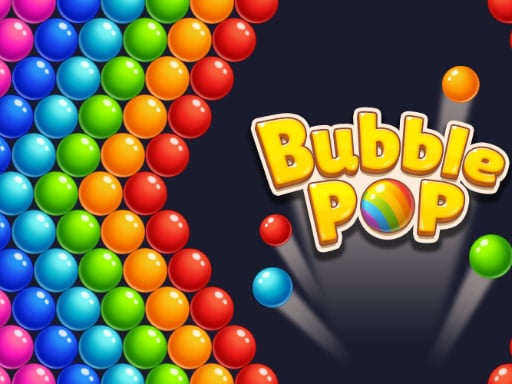
As the playable scene begins, Bubble Pop Shooter uses the familiar match-three bubble rule across puzzle boards. Carefully placed shots form color groups, while earned boosters can remove larger sections. The final result should let you match three or more same-colored bubbles and clear the entire board. Aim, launch, and evaluate the new arrangement after the bubbles pop. Using fewer shots improves the level result and supports a three-star rating. As the challenge expands, efficient shots earn higher ratings, coins, and access to further puzzles. The board must be cleared, but no separate lives system limits retries.
WHAT TO EXPECT
Before you start
Boards are solved by clearing every bubble rather than merely reaching a minimum match. Coins and boosters reward efficient solutions without replacing accurate aiming. Following a completed step, efficient shots earn higher ratings, coins, and access to further puzzles.
GETTING STARTED
How to play Bubble Pop Shooter
Trace the launch line toward a cluster that already contains two matching colors. Check whether another bubble blocks the landing point before firing.
Use a booster when it can affect several difficult bubbles, not on an easy isolated group. Reassess the board after every chain reaction. Keep the developing result in view: Efficient shots earn higher ratings, coins, and access to further puzzles.
CONTROLS
Controls and device setup
Aim with the pointer and click or tap the intended direction to launch a bubble into a matching cluster.
PLAY SMARTER
Tips for Bubble Pop Shooter
- Build matches near supporting bubbles so one pop can expose several targets.
- Save powerful boosters for crowded sections that ordinary shots cannot reach easily.
- Use fewer shots by planning the next color connection before each launch.