ABOUT THE GAME
Relative Velocity Casual Physics game overview
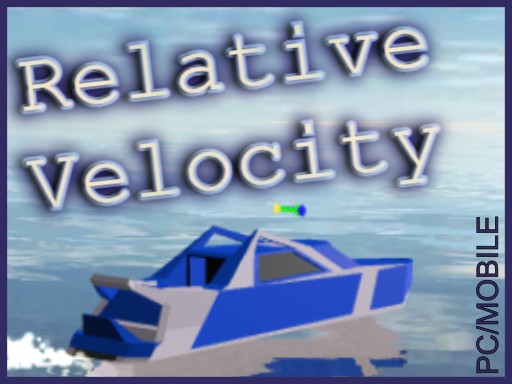
Waves and currents influence the boat instead of leaving it to travel along a fixed heading. The on-screen vector control changes relative velocity, so reaching the finish requires accounting for how the surrounding water alters the intended route. Coins sit along the path as optional scoring targets. Performance combines two measurements: collected coins and the time used to complete a level. Later courses raise the difficulty, asking for more precise corrections while the same physics relationship remains visible. A quick line with missed coins may therefore produce a different result from a slower, complete collection.
WHAT TO EXPECT
Before you start
The boat continually responds to water motion while the player adjusts its vector, checks alignment with the marked path, gathers reachable coins, and tries to finish without wasting time on large corrections.
GETTING STARTED
How to play Relative Velocity Casual Physics
Set a relative-velocity direction that compensates for the current rather than pointing only at the next marker. Watch the resulting movement briefly, then refine the vector before the boat drifts far from the route.
Collect coins that can be reached without a long detour and preserve a clean approach to the finish. As levels become harder, use smaller changes to avoid oscillating across the intended path.
CONTROLS
Controls and device setup
Move the on-screen joystick with a mouse drag or finger slide to adjust the boat's relative-velocity vector.
PLAY SMARTER
Tips for Relative Velocity Casual Physics
- Aim slightly against a strong cross-current before the boat reaches a narrow turn.
- Skip a distant coin when retrieving it would add more time than its value warrants.
- Make one small vector correction, observe the drift, and only then adjust again.