





ABOUT THE GAME
The Musical Instruments game overview
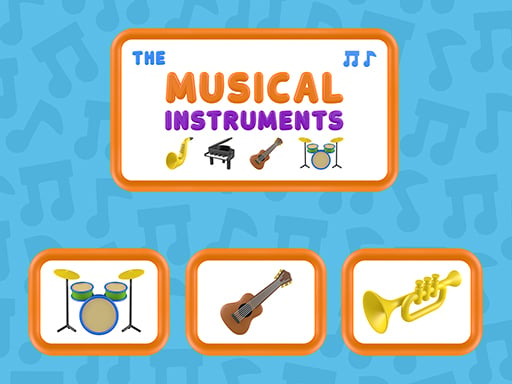
The Musical Instruments takes place in an audio learning board showing several familiar musical instruments. You listen to the sample and select the instrument that creates the heard tone. Success depends on distinguishing timbre and attack rather than relying only on pitch. Every successful sound match leads to a new instrument and listening prompt. A mismatched instrument must be corrected before the lesson proceeds. In The Musical Instruments, every result informs the next move. The musical instrument sound matching format keeps attention on this goal: choose the musical instrument that matches each sound sample
WHAT TO EXPECT
Before you start
The Musical Instruments emphasizes musical instrument sound matching. Key decisions involve distinguishing timbre and attack rather than relying only on pitch. As difficulty grows, musical instrument sound matching remains the focus.
GETTING STARTED
How to play The Musical Instruments
First, let the complete musical sample play before making a selection. Next, listen to the sample and select the instrument that creates the heard tone. Pause after each result before continuing.
Notice whether the sound is struck, blown, plucked, or bowed. Every successful sound match leads to a new instrument and listening prompt. Main risk: a mismatched instrument must be corrected before the lesson proceeds.
CONTROLS
Controls and device setup
Listen to the audio cue, then click or tap the picture of the instrument that produced it.
PLAY SMARTER
Tips for The Musical Instruments
- Compare how sharply each note begins when instruments have similar ranges. Keep one useful casual follow-up available.
- Use the instrument pictures to eliminate families that cannot make the sound. During musical instrument sound matching, read the consequence before choosing again.
- Repeat the correct instrument name after feedback to strengthen recall. This protects late progress during musical instrument sound matching.